

Buying a Home Is Only the Beginning of the Project
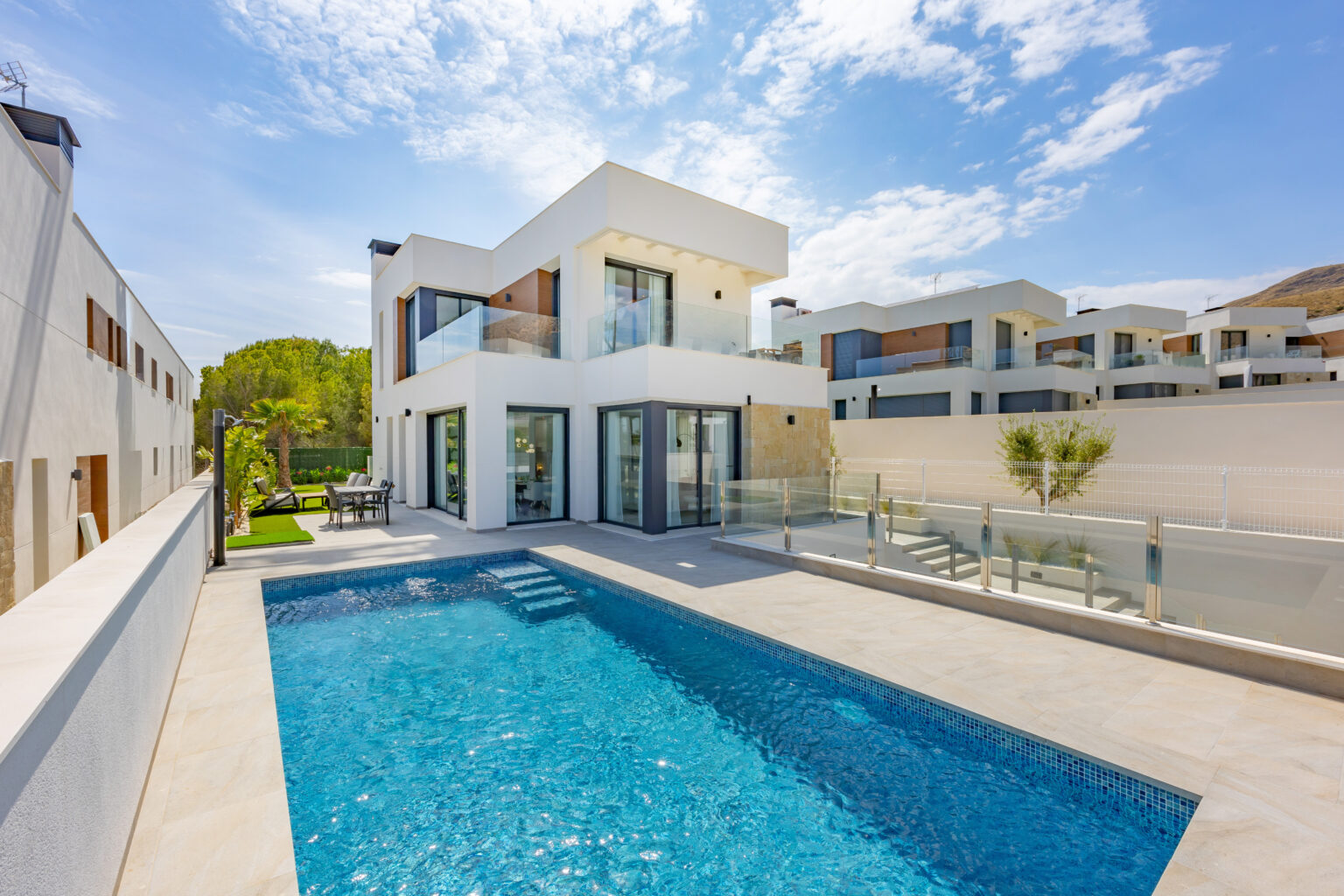
Can You Really Understand a Home in One Visit?
A property viewing often lasts no more than twenty minutes. Buyers notice the view from the terrace, the size of the living room, the condition of the kitchen or whether the bedrooms feel large enough. These first impressions matter, but they rarely reveal what it will actually be like to live there.
¨A home is experienced over years, not minutes.¨
The morning light that reaches the dining table, the route between the kitchen and the terrace, the sound that travels through an open-plan living area, the way the house feels on a hot August afternoon—none of these qualities appear in photographs or floor plans. Yet they shape everyday life far more than decorative finishes.
This is why choosing a property is never simply the beginning of ownership. It is the beginning of design.
Looking Beyond the Finishes
Many buyers evaluate a home by what can easily be replaced.
They focus on flooring, paint colours, kitchen cabinets or bathroom tiles because these are the most visible elements. They create an immediate emotional reaction.
A designer looks elsewhere first.
The proportions of the rooms. Ceiling heights. The relationship between private and shared spaces. The direction of natural light. Structural walls that define future possibilities. The sequence of movement from one room to another.
These are the decisions that architecture has already made.
Furniture can be replaced. Walls can be repainted. Lighting can be redesigned. But the structure of a home is far less flexible. It becomes the framework within which every future decision must exist.
That is why architecture deserves attention long before decoration begins.
Reading the Potential of a Space
Every property tells two different stories.
The first is the story of what exists today.
The second is the story of what the space could become.
Most buyers only see the first.
Designers are trained to imagine the second.
They see how a darker living room could become brighter through a different spatial layout. They notice where unnecessary partitions interrupt natural circulation. They recognise opportunities that remain invisible because the current interior no longer reflects the quality of the architecture itself.
Potential is rarely obvious.
It requires looking beyond furniture, finishes and styling to understand the possibilities hidden within the structure.
For this reason, a designer is often evaluating a property that does not yet exist – but could.
Living Beside the Mediterranean
Design decisions change when the climate changes.
A home on the Mediterranean coast follows different rules than one in Northern Europe.
Sunlight is stronger. Outdoor living becomes part of daily life. Terraces are used as extensions of the interior rather than occasional additions. Ventilation matters throughout much of the year. Materials respond differently to humidity, heat and salt air.
These conditions influence far more than aesthetics.
They determine where shade is needed, how rooms connect to outdoor spaces, which materials will age well and how comfortable the home remains throughout the seasons.
Design, in this context, becomes a response to climate rather than a collection of decorative choices.
The most successful Mediterranean interiors do not compete with their surroundings.
They allow architecture, landscape and light to work together naturally.
Good Architecture Is Often Invisible
The best spaces rarely demand attention.
Instead, they create a quiet sense of comfort that is difficult to explain.
A hallway feels neither too narrow nor unnecessarily large. Natural light arrives where it is needed most. Moving through the house feels intuitive. Rooms connect effortlessly without requiring conscious thought.
People often describe these homes by saying that they simply “feel right.”
That feeling is rarely accidental.
It is usually the result of countless architectural decisions made long before the furniture arrived.
When architecture works well, it almost disappears.
People notice the experience rather than the design itself.
Choosing a Future Instead of a Property
Buying a home is often described as a financial decision.
In reality, it is also a decision about future routines.
Where mornings begin.
Where conversations happen.
Where children grow up.
Where work, rest and family life find their rhythm.
A property is not simply a collection of square metres. It becomes the setting in which everyday life unfolds.
This is why interior design does not begin with selecting fabrics, furniture or colours.
It begins much earlier—with recognising the potential of a space before anyone else can see it.
Because the most successful homes are never defined by how they looked on the day they were purchased.
They are defined by the life they make possible years later.