

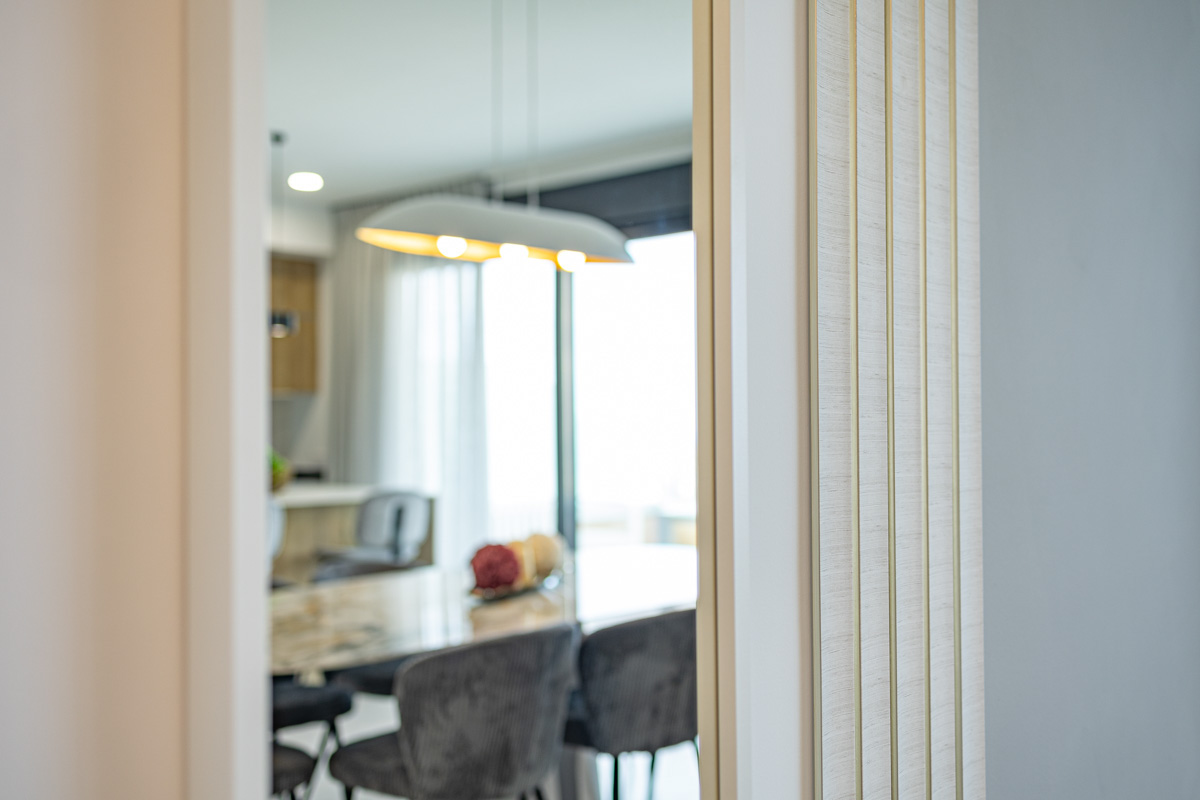
When people think about interior design, furniture, lighting and décor usually come first. Walls are often treated as a blank canvas that will be finished later.
In reality, they shape the atmosphere long before the first piece of furniture arrives. As the largest continuous surface in any room, walls influence how we perceive proportions, light and texture. Their finish can make a space feel calm, refined, welcoming or dramatically architectural. A successful interior is rarely defined by individual objects. It is the relationship between surfaces, materials and natural light that creates a coherent whole.
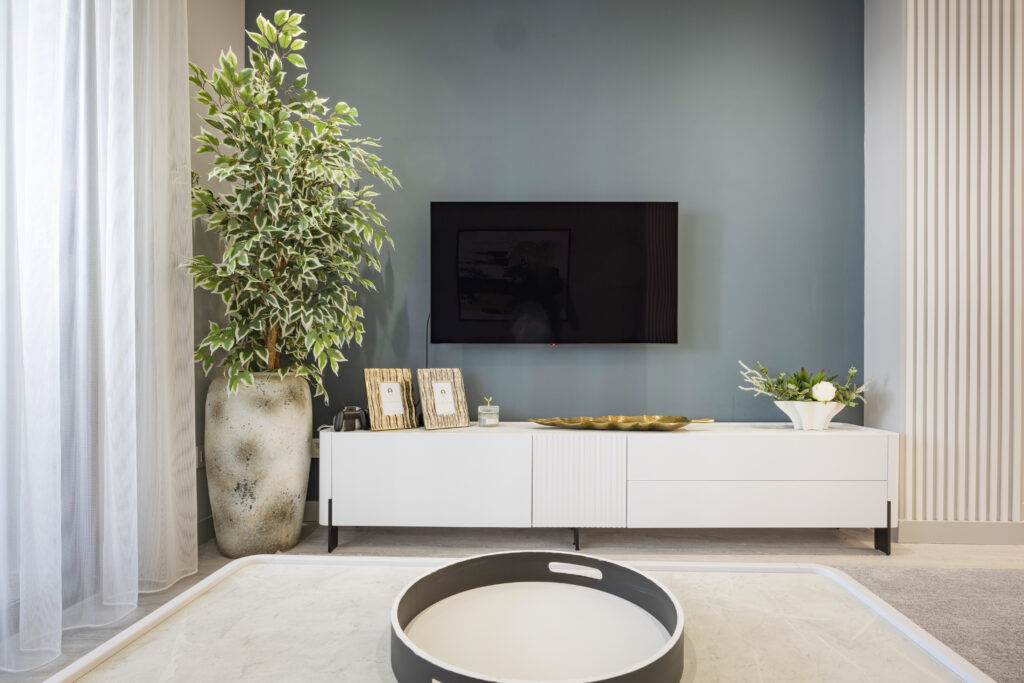
Modern interiors are moving away from decoration for the sake of decoration. Instead, every material is expected to have a purpose.
Wall finishes are no longer simply decorative. They help introduce rhythm, create visual depth, improve acoustics and emphasise architectural details.
This is why contemporary designers often consider wall treatments at the very beginning of a project rather than as a finishing touch.
Paint: Simplicity That Reveals Architecture
Paint remains one of the most versatile finishes available. Far from being a basic solution, it allows light, materials and furniture to become the focus while creating a calm visual backdrop. Soft neutral colours reflect natural light and make interiors feel more open, while darker tones add intimacy and depth when used intentionally. The colour itself matters less than its relationship with the space around it.
Decorative Wall Panels
Panels have become one of the defining elements of contemporary interiors – not because they are fashionable, but because they solve several design challenges at once.
They introduce texture without visual clutter, create architectural rhythm and help organise large wall surfaces. Depending on the material, panels can also improve acoustics, conceal technical elements and add a tactile quality that flat surfaces cannot achieve. Today they are used in living rooms, bedrooms, hallways and commercial interiors alike.
Wallpaper Returns in a Different Way
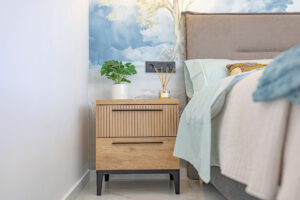
Wallpaper has evolved significantly over the past decade. Rather than covering every wall with repetitive patterns, modern collections are used selectively to create atmosphere and depth. Large-scale murals, textured surfaces and natural fibres allow wallpaper to become part of the architecture rather than simply decoration.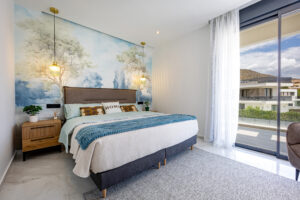
Some interiors are remembered not because of their furniture, but because of how their surfaces interact with light. Decorative plaster, limewash, natural stone and textured finishes introduce subtle variation throughout the day, making walls feel alive without overwhelming the space. Texture often communicates more than colour.
There is no perfect material for every home. The right choice depends on the architecture, natural light, proportions and the way the space will be lived in. Walls should never be considered separately from the rest of the interior. They are part of a larger composition where every element supports the next. When all these layers work together, the result feels effortless-yet it is precisely this balance that defines timeless interiors.